Debunking Common Lawn Care Myths in New Jersey


Understanding New Jersey's Unique Lawn Care Needs
New Jersey's climate and soil conditions present unique challenges and opportunities for lawn care. Despite common beliefs, what works in one state may not be applicable in another. It's essential to understand these differences to properly care for your lawn.
One widespread myth is that all lawns in New Jersey should be treated the same way. In reality, the state has diverse microclimates that affect how grass grows and what maintenance it requires. From the coastal regions to the more inland areas, understanding local conditions is key.

Myth: Watering Daily Is Essential
Many people believe that watering their lawn daily is necessary for healthy growth. However, this is not the case. Overwatering can lead to shallow root systems, making your grass more susceptible to drought and disease. Instead, aim for deep, infrequent watering sessions.
A recommended practice is to water your lawn early in the morning, allowing the grass to dry throughout the day. This timing helps prevent fungal diseases that can develop in damp conditions.

Myth: Fertilizing Year-Round
Another common misconception is that lawns need fertilization throughout the entire year. In New Jersey, it's best to focus on fertilizing during the growing seasons—spring and fall. Fertilizing in the summer can stress your lawn, particularly during hot, dry spells.
Using a slow-release fertilizer can provide the necessary nutrients without overwhelming the grass. Always follow the manufacturer's instructions to avoid over-fertilization, which can harm your lawn and the environment.

Myth: Mowing Short Is Better
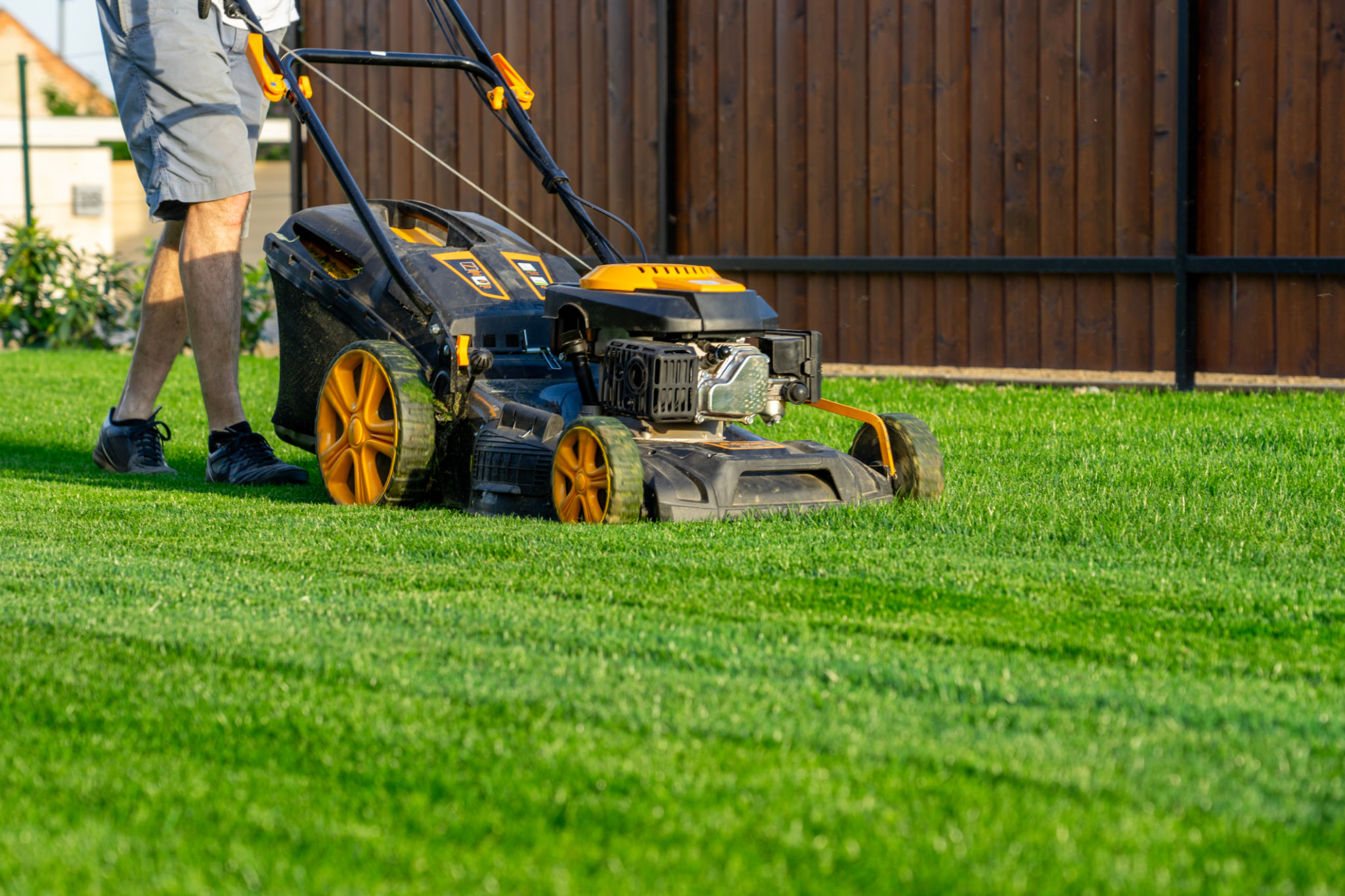
Homeowners often think that mowing their lawns short means less frequent mowing. However, cutting grass too short can damage the turf and invite weeds. It's best to follow the one-third rule: never remove more than one-third of the grass height at a time.
- Regular mowing encourages healthy growth.
- Set your mower blades to a higher setting during hot months.
- Keep blades sharp to ensure a clean cut.
Myth: DIY Pest Control Is Sufficient
While some homeowners opt for DIY pest control methods, these are often not enough for dealing with New Jersey's specific pests. Professional pest control services can offer targeted solutions that are more effective and environmentally friendly.
Understanding the types of pests common in your area and their life cycles can help in choosing the right treatment options. Investing in professional services may save time and money in the long run.

Conclusion
Debunking these common myths can help New Jersey homeowners maintain healthier, more beautiful lawns. By tailoring your lawn care practices to the local climate and soil conditions, you can achieve optimal results. Remember, the key is not to follow generic advice but to understand what works best for your specific environment.
Armed with this knowledge, you can enjoy a lush, green lawn that enhances your home's curb appeal and provides a welcoming outdoor space.