
Success Stories: Transforming Small Urban Spaces with Smart Irrigation


Revitalizing Urban Spaces with Smart Irrigation
In the heart of bustling cities, small urban spaces often struggle to maintain greenery due to limited resources and space constraints. However, smart irrigation technology is transforming these pockets into lush, thriving environments. This success story explores how smart irrigation is revolutionizing urban landscaping.

Understanding Smart Irrigation
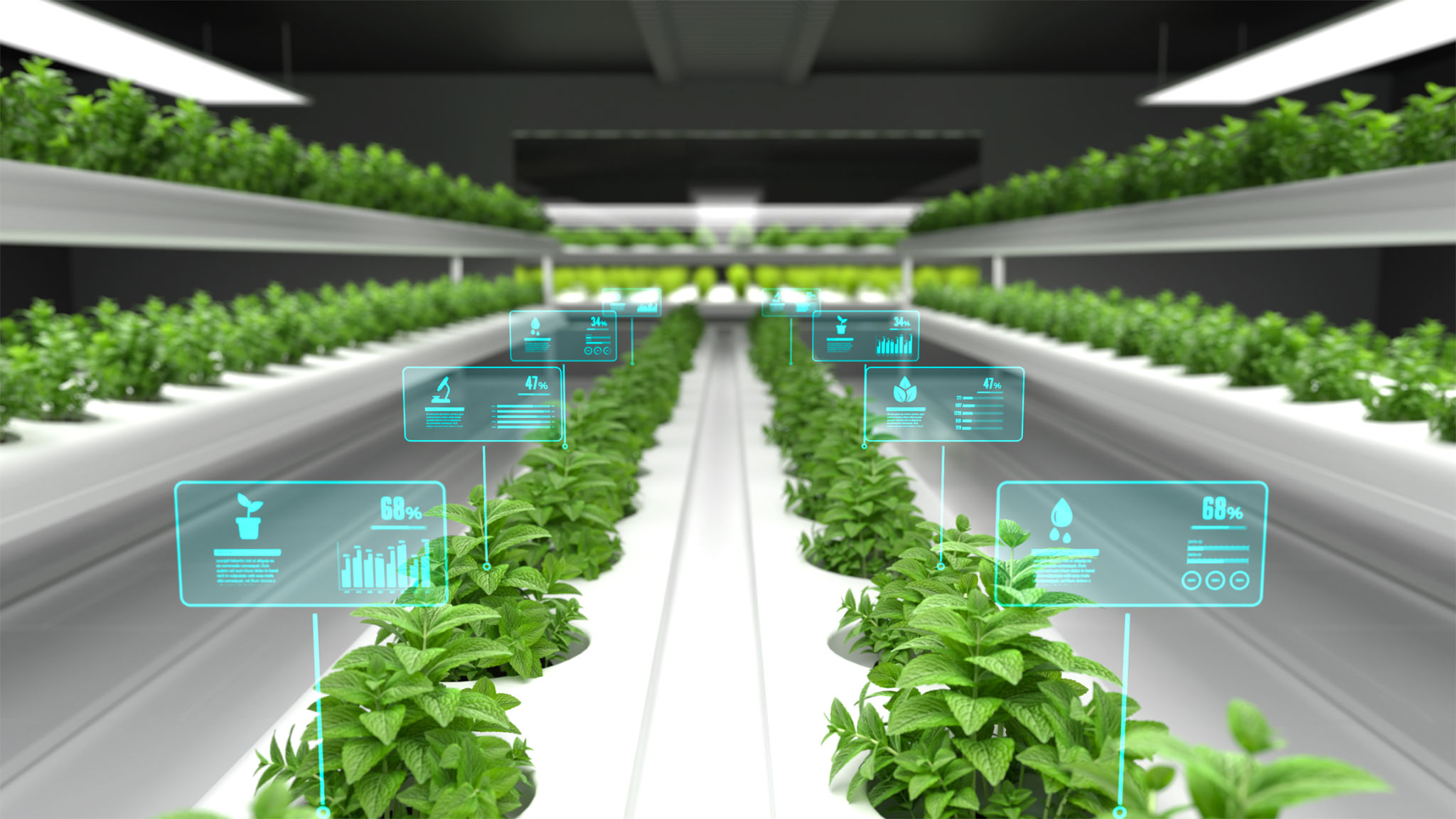
Smart irrigation systems utilize advanced technologies like sensors, weather forecasts, and automated controls to optimize water usage. These systems ensure that plants receive the right amount of water at the right time, reducing waste and enhancing plant health.
In small urban areas, where traditional irrigation methods might be impractical, smart systems become crucial. They can be installed in balconies, rooftops, and compact gardens, making them ideal for city dwellers looking to enhance their green spaces.
Case Study: A Rooftop Transformation
One remarkable example of smart irrigation success is a rooftop garden in downtown New York. Faced with limited water supply and space, the owners integrated a smart system that monitors soil moisture and weather conditions. The result was a vibrant garden that flourished despite the urban challenges.

The system's ability to adjust watering schedules based on real-time data ensured efficient water use. This not only conserved resources but also significantly reduced the garden's maintenance needs, allowing the owners to focus on enjoying their green oasis.
Benefits of Smart Irrigation
Implementing smart irrigation in urban spaces offers numerous benefits:
- Water Efficiency: Drastically reduces water usage by preventing overwatering.
- Cost Savings: Lowers water bills and maintenance costs over time.
- Environmental Impact: Supports sustainable practices and reduces urban heat.
These advantages make smart irrigation an appealing choice for both residential and commercial properties looking to enhance their environmental footprint.
Challenges and Solutions
While the benefits are clear, implementing smart irrigation in urban settings comes with challenges. Space constraints and initial setup costs can be barriers. However, many cities offer incentives and subsidies to encourage the adoption of green technologies.
Moreover, advances in technology have made smart irrigation systems more affordable and customizable, allowing even the smallest urban spaces to benefit from this innovation.
Looking Ahead
As urban areas continue to grow, the demand for sustainable solutions like smart irrigation will only increase. These systems offer a way to integrate nature into city life, enhancing quality of life and promoting environmental stewardship.
By transforming small urban spaces into green havens, smart irrigation is not only beautifying cities but also contributing to a healthier planet. As more success stories emerge, the potential of this technology becomes even more evident.